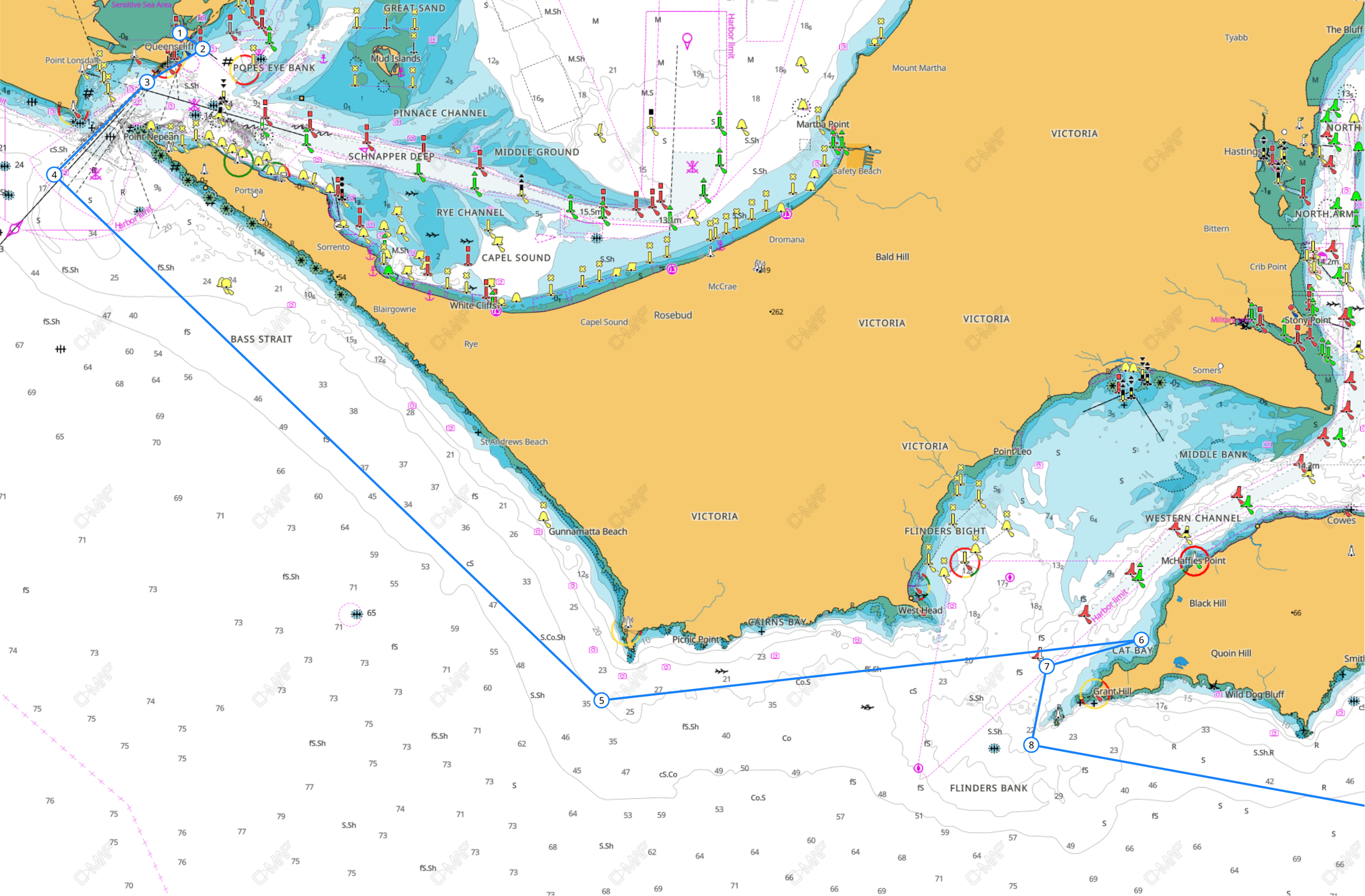
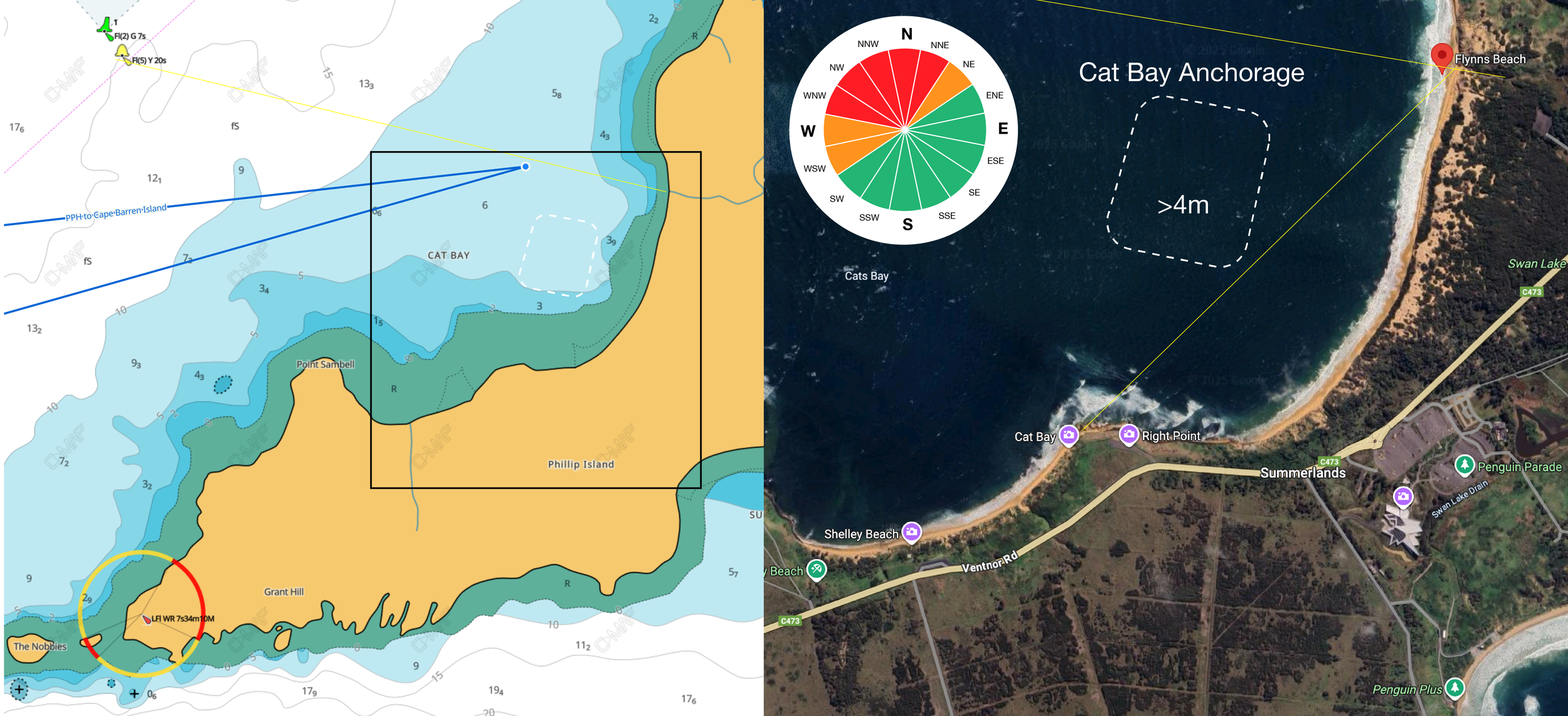
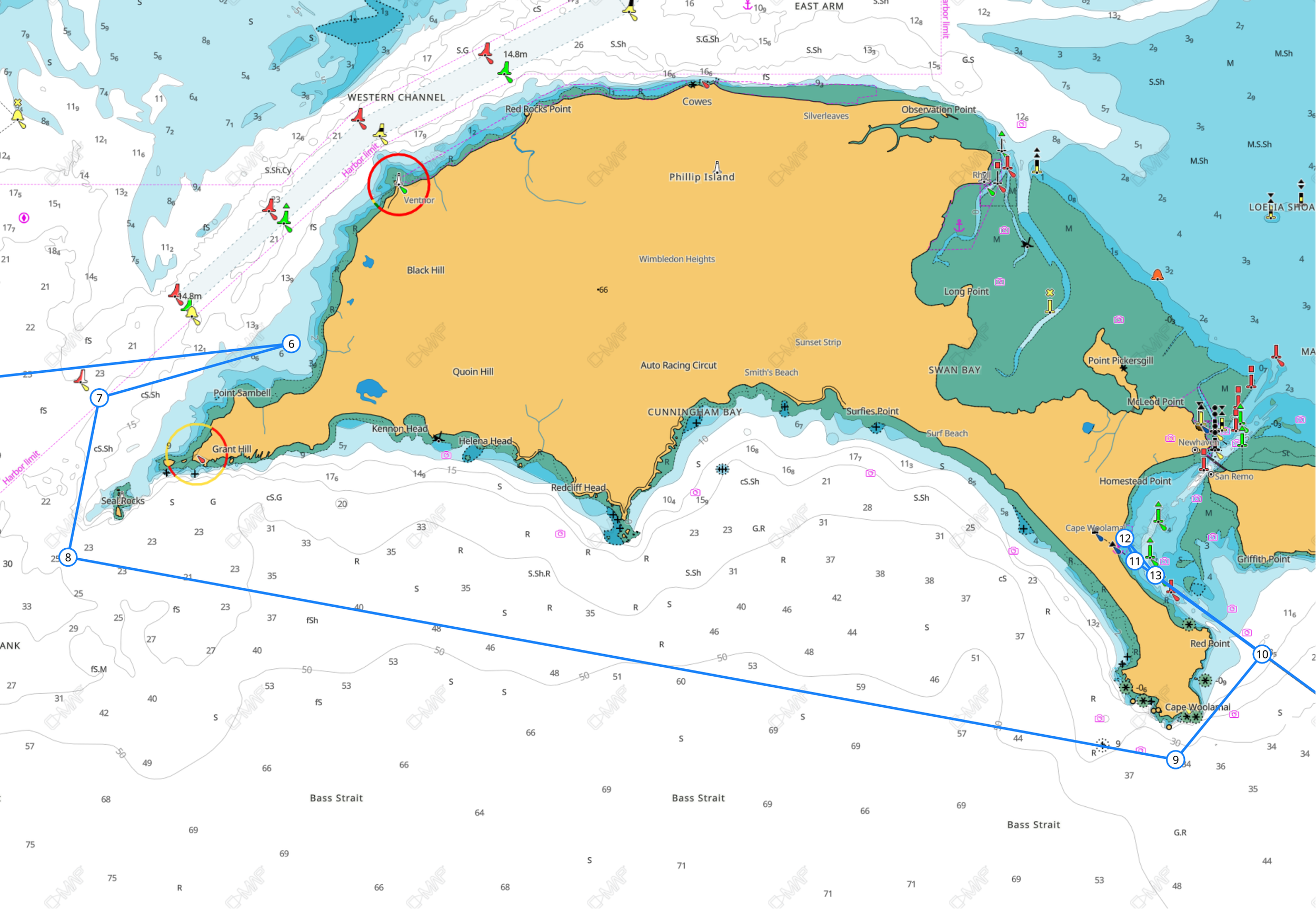
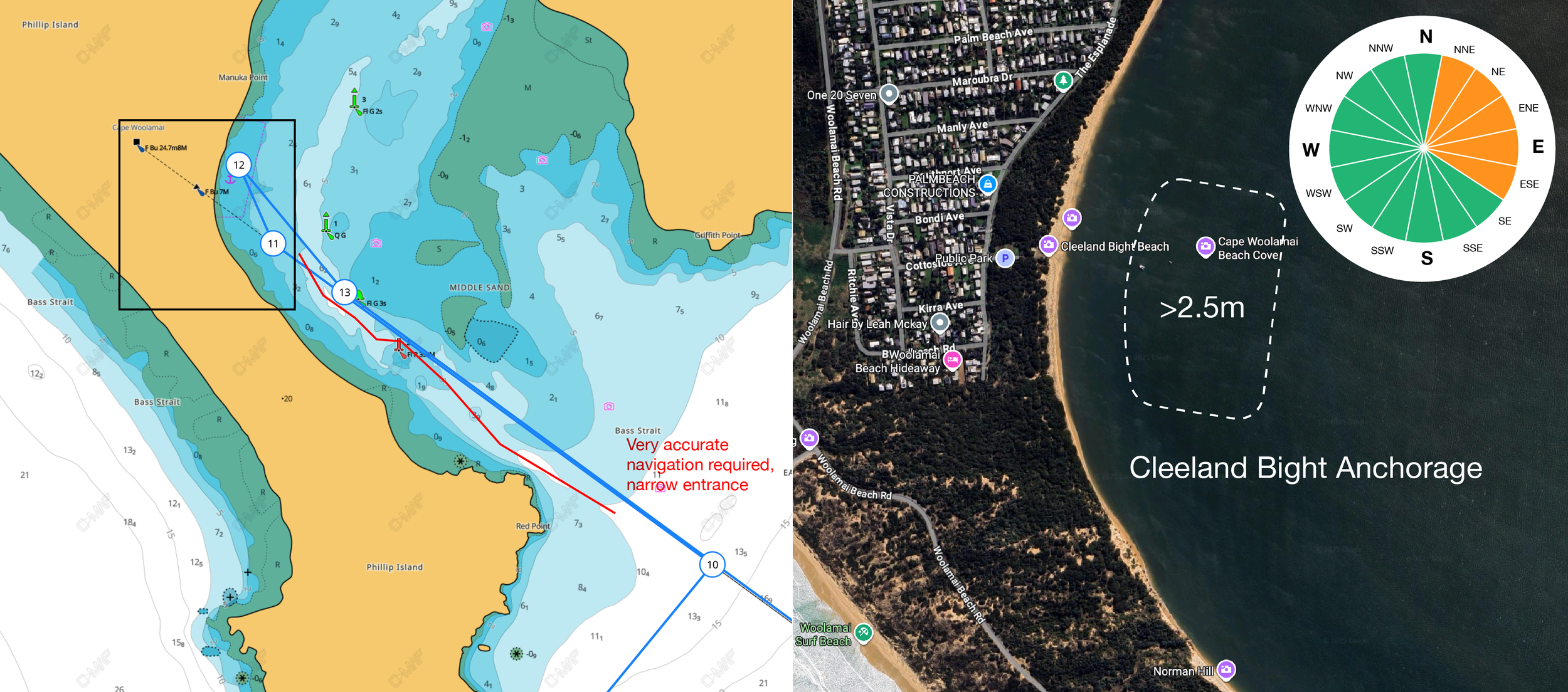
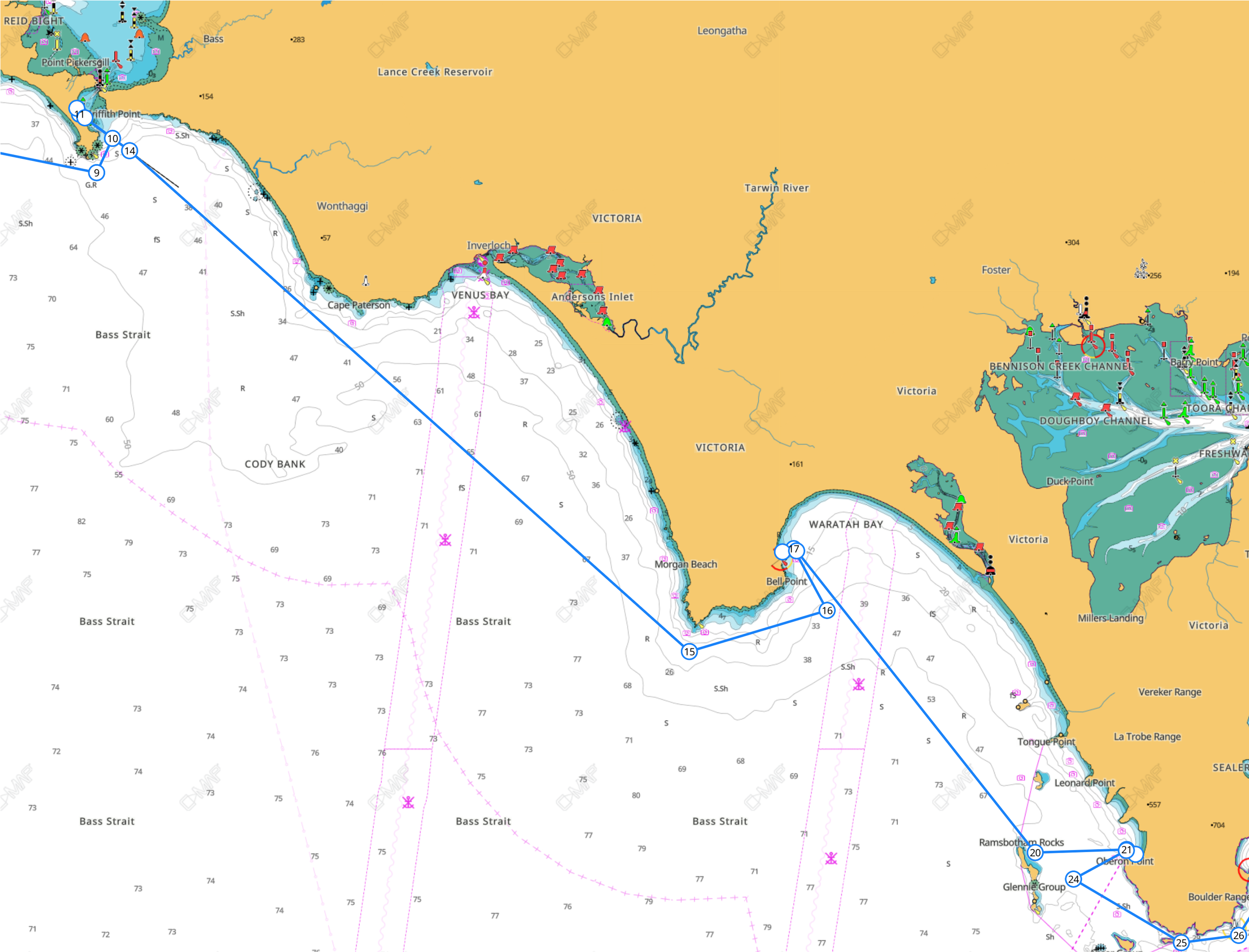
Port Phillip Heads
to Flinders Island (Lady Barron).
This is a passage plan for a January trip to Flinders Island from Port Phillip Bay. This is the culmination of what will be nearly 4 months worth of exploring the area over the last 8 Years. Sailing Bass Strait is not everyones cup of tea. It has been said that it’s not cruising grounds at all because it is too spicy. Thats likely because they are on a tight schedule and have places to be, and found conditions too spicy. I’ve found that having time is your secret weapon in the strait as you will see in the next section. Being able to wait for perfect weather windows is how to do this safely. So to start with we look at January climate data, and start our plan there. You have to start somewhere, and you have to have a plan or you have no plan. I like evidence, as a way to inform decisions. And weather / wind data and research is a good start.
Side note: I met a bloke at the Cruising Club in Queenscliff and he was leading a similar trip to this with eight or more boats, I was impressed and keen to riff on weather trends and modelling, routes and anchorages. With a little coaxing I realised that this ‘ol-mate’ firmly believed that the weather in the strait was consistent year in year out. Like on the 7th it blows from the west, moderate… but by the 12th you’ll be faced with easterlies. It was total horse shit. This is not how weather works anywhere, least of all the strait. I’m offering this up for some mates, and anyone else who wants to lean in. I’m not an expert. this is provided in good faith. Misdirected sailing can be miserable at best and the worst makes headlines. Ol mate sailed back in through the heads a few days later, shocked and a little rattled! It was not the weather he’d been planning!
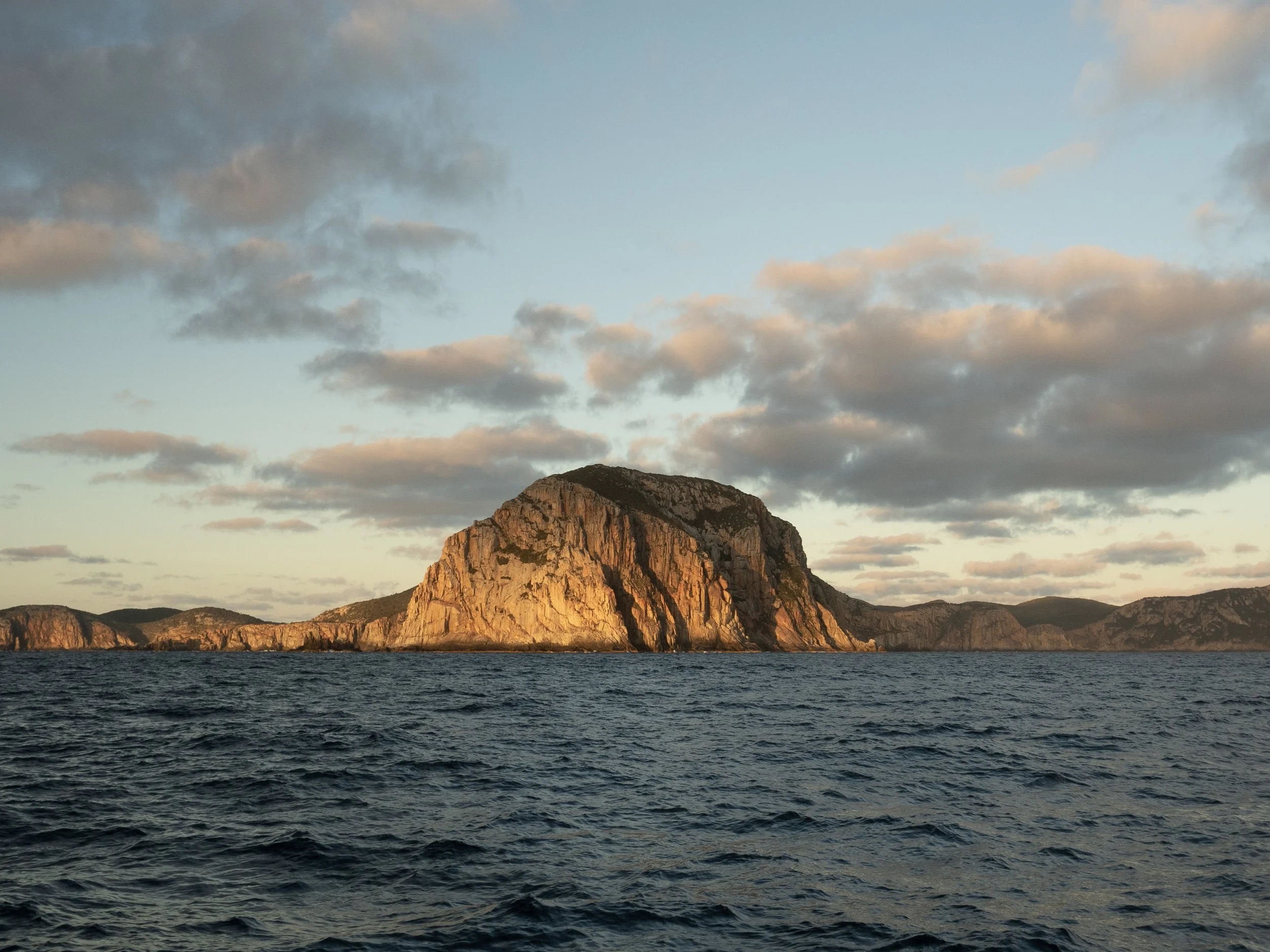
Erith Island from the Eastern approach to Murray Passage.
Section One: Planning then plan
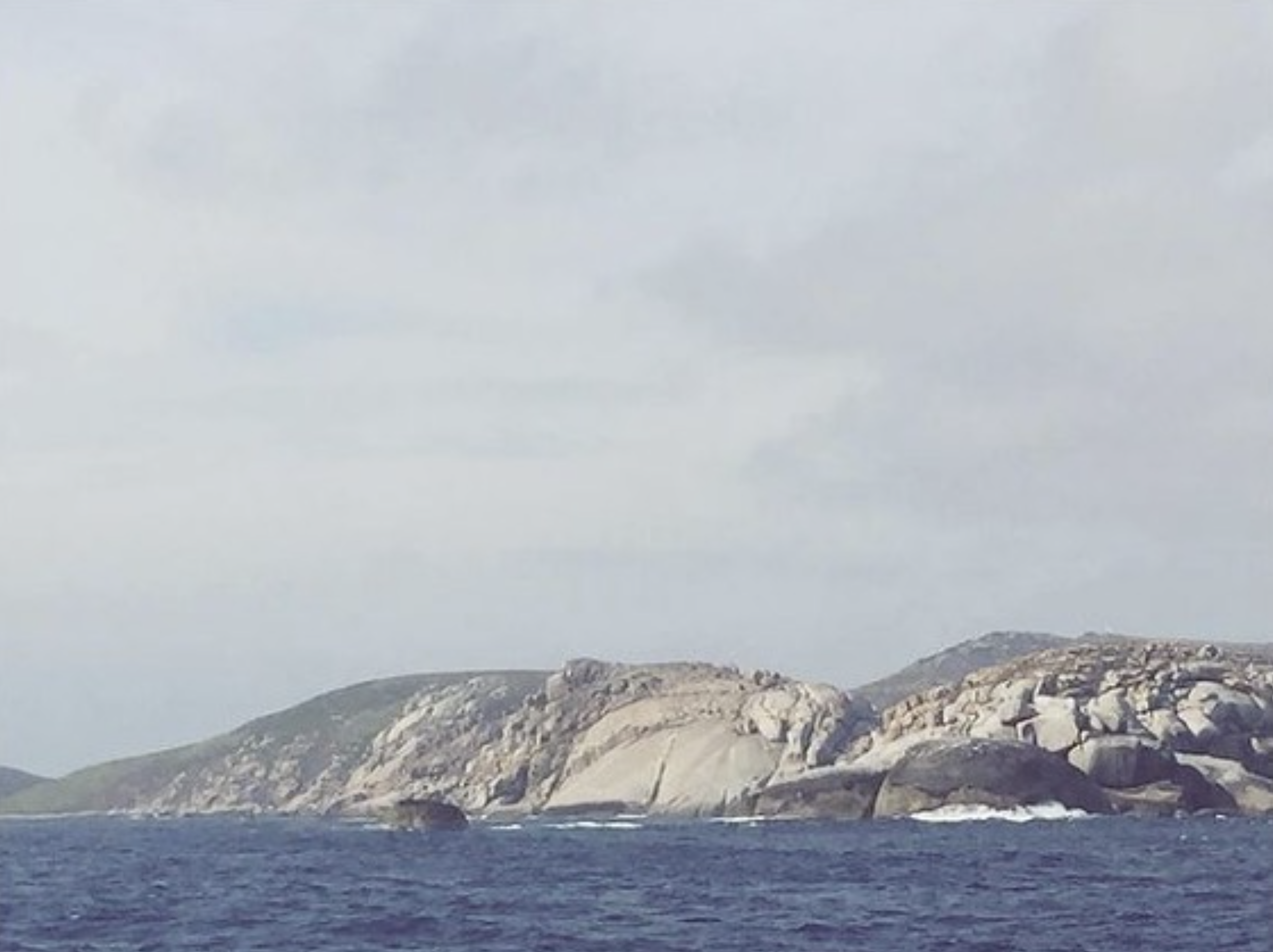
Hogan island. A place that shouts ‘UNIHABITED’ and with good reason.
Hogan island is our data datum. It’s a good one because it’s a bad one. I like making conservative choices when children and families are involved in adventures, so using the location that is both central to our intended course and perhaps the most windswept and hostile of the lot feels ‘Good-Bad’. And importantly it has a BOM Automatic Weather Station on it (AWS).
Wind roses display the seasonal / monthly or annual wind trends in both direction / velocity and duration. Each hour is averaged, given a velocity and direction then plotted. With the wind rose you can get to a point where you can forecast the safe sailing window likelihood and duration. The fun sailing zone is winds up to 15 knots, in daylight hours. Anything more than this is burley and becomes hard work and arduous for the durations we are planning. Sure it will be quicker, but the cold hard reality is that it exposes you and your crew to motion sickness, which leads to accidents, which can compound and IMHO just not worth it.
If you like your crew, and want to keep them around… This is Cruising! treat them nice!
Add the spicy sauce of the fact the BOM states forecast wind gust can be 40% stronger than forecast. Your 15kn passage turns into 24knot white water rollercoaster. Been there, done that… it happens.
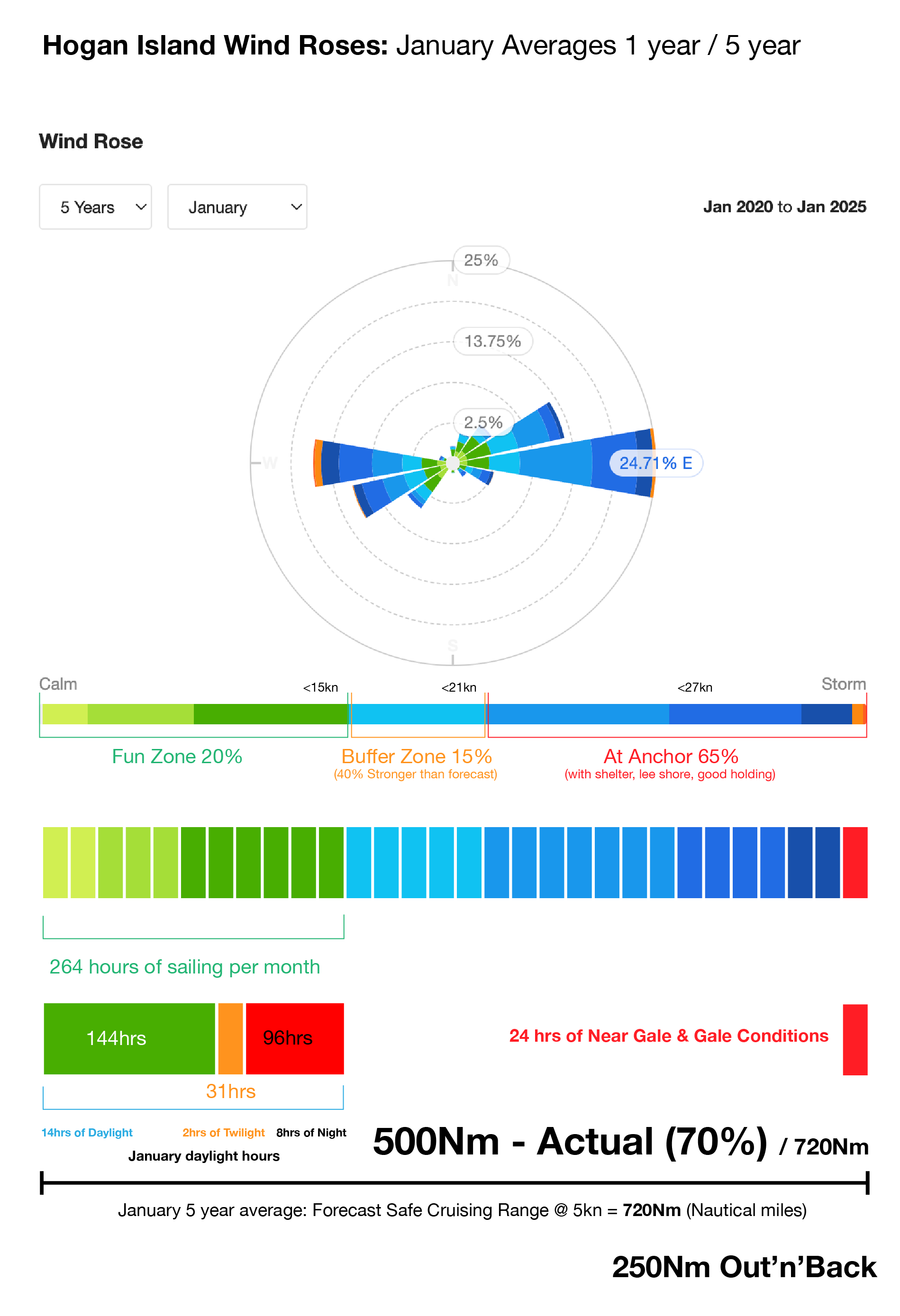
So If you can follow the above, Ignore the rose itself for now and focus on the summary bar, we end up with 11 days of favourable conditions, then minus off the hours that are dark, and dont use the twilight as a buffer if needed, you end up at 144hrs total (or 20% of the month). That creates the opportunity to sail 720Nm. That is based on a 5 knot boat speed. You might go faster? It’s true, the wind trends are favourable to fast sailing angles for the course we want to sail. But lets leave that to providence and enjoy making a 7hr passage in 5hr and not add it to our planning. Again, stuff happens.
If we are lucky we get to sail our course. If we dont, overall it could make is travel 30% further. So if 720Nm is the distance we can own, we will spend that sailing only 500nm. And that has us sailing everyday when the conditions permit… again, be nice to your crew. Plus, you have to get back.
So in summary we land on a 225 - 250Nm outward cruising range, or 48hrs of favourable sail time if the forecast works and we actually want to travel that far, remembering we have to sail it back.
Click to zoom.
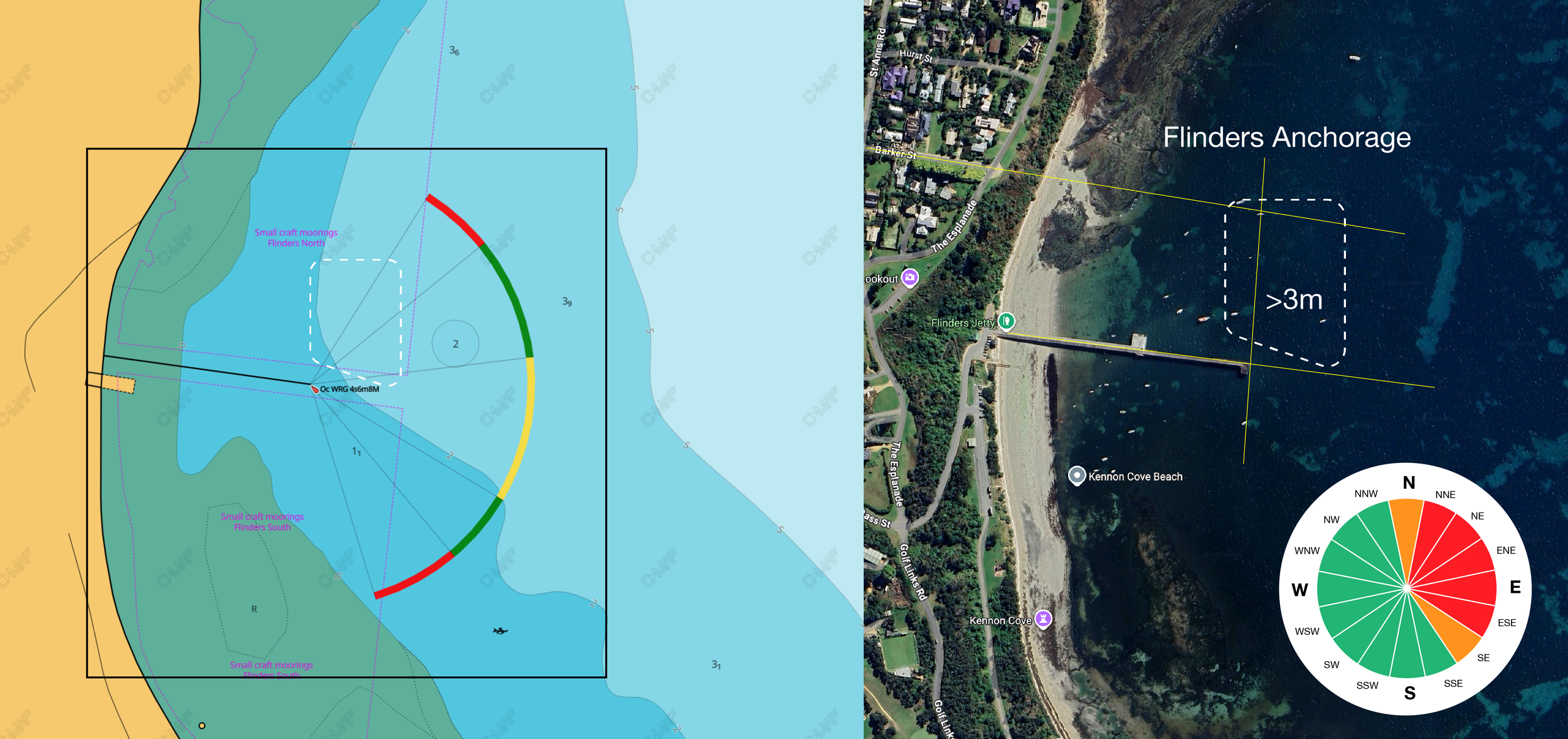
Now we can also use the roses to average trend of the wind direction over the course. This will help us with research on what shelter exists in available anchorages.
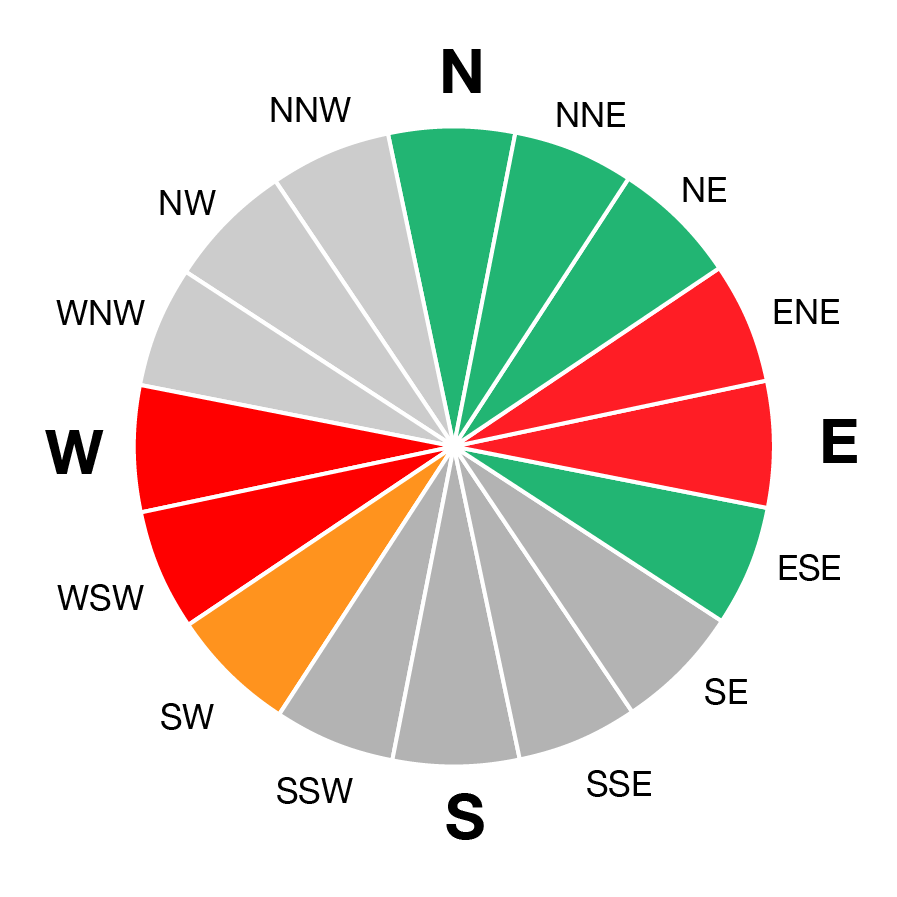
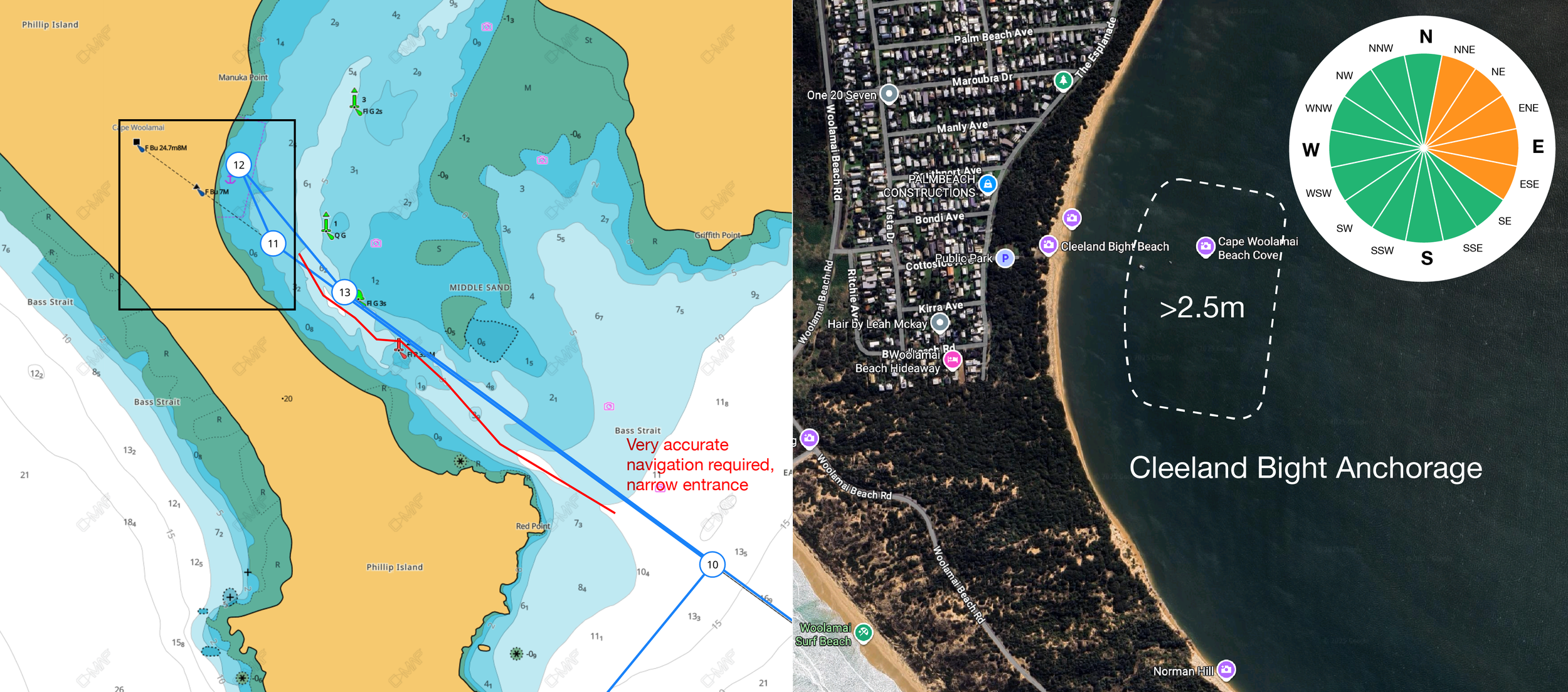
Direction Reference Guide. The Main wind directions are coloured, the gray areas are directions where the wind, in January, for whatever tropospheric reasons does not issue from.
This is the rose we’ll use to display the range of safe cardinal aspects in any given anchorage along the way. This one is special as it has four colours and is the ‘Global’ reference for all the roses that follow.
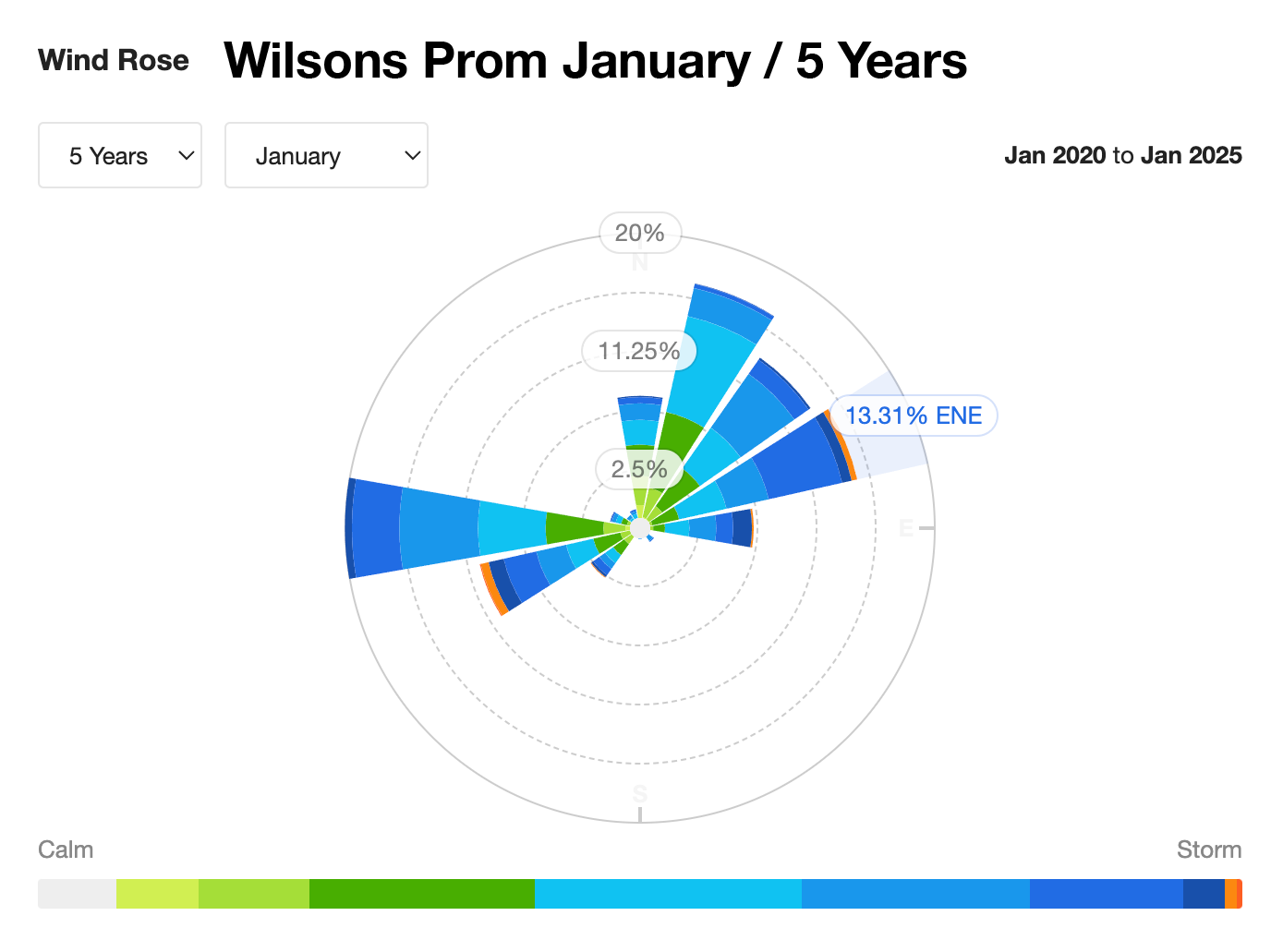
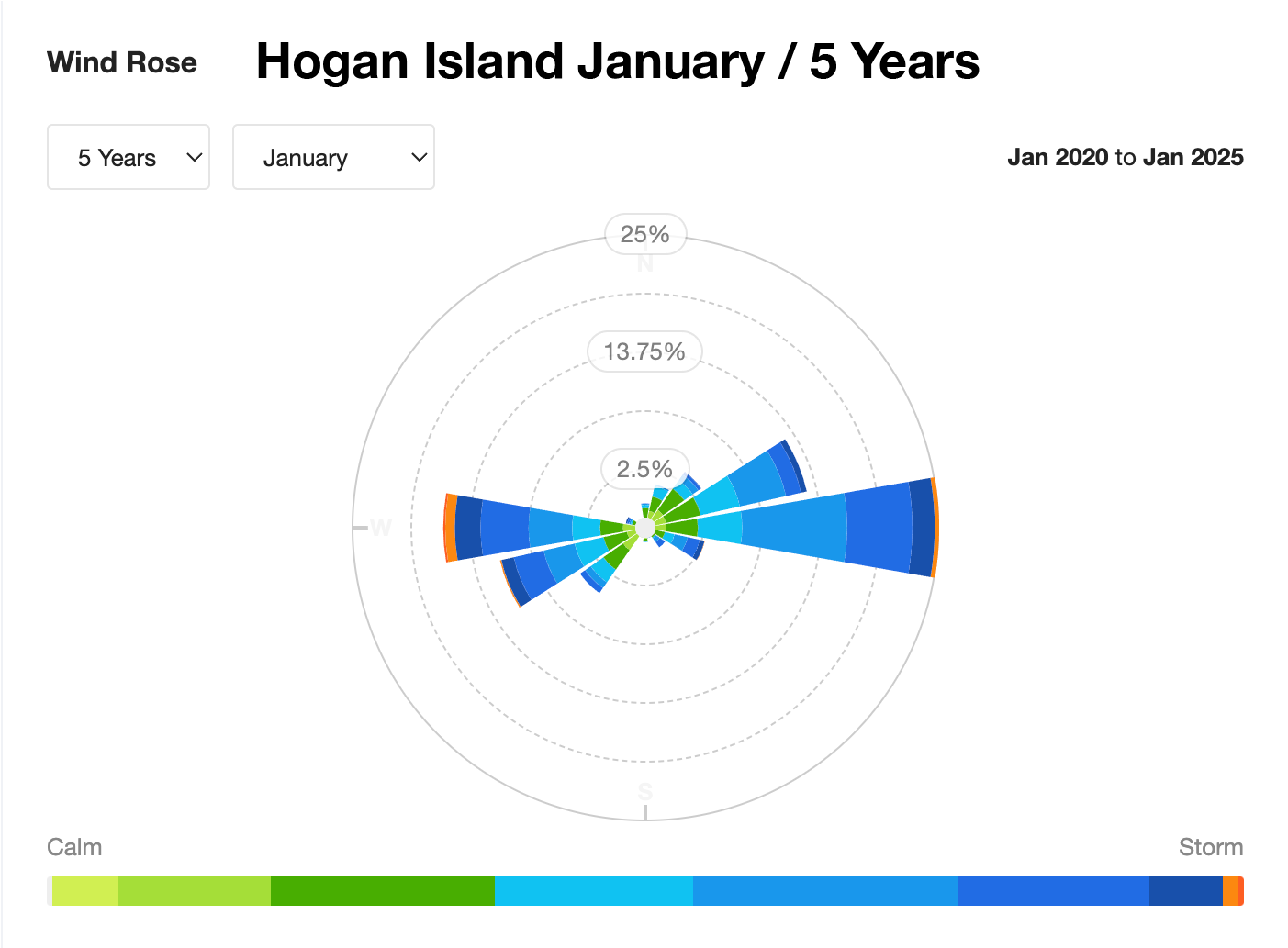
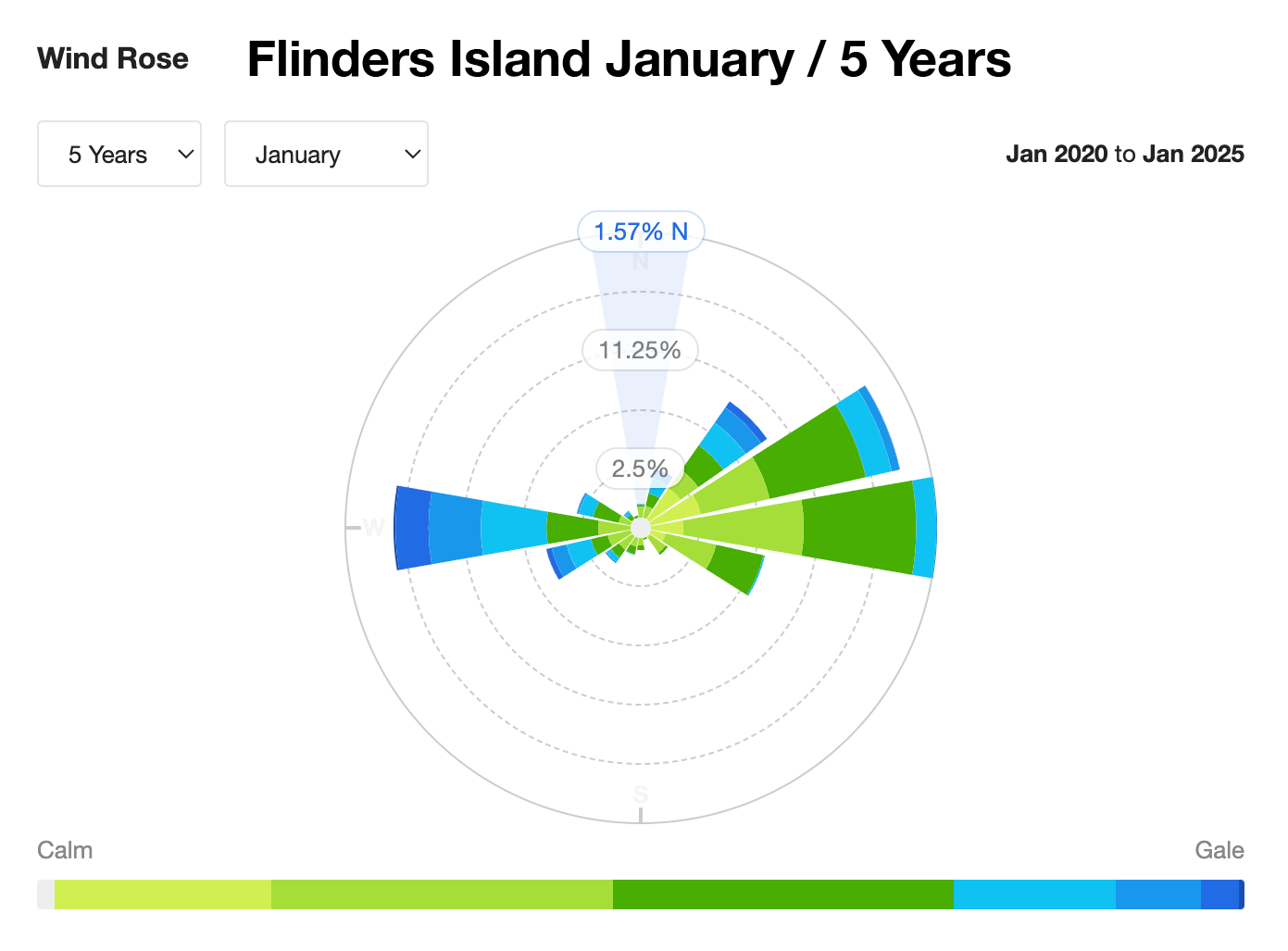
Gray Slices: In all the data, evidence shows wind does not issue from this direction in January.
Green Slices: The Green areas are where wind can issue from, but thankfully, never too strong, usually just nice. The Red and Orange van also have moderate winds but…
Red and Orange Slices: Show the directions from which storms issue, this is relevant in that we’ll need to be familiar with anchorages that provide shelter from these two quite specific directions, all along the way. W/WSW and E/ENE are the trouble zones.
Swell Trend
Let’s look at the sea state trends also. The proximity of the strait to the southern ocean means it is subject to swell that is issued by storm energy that can happen thousands of kilometres away. Thankfully this energy direction, its ‘set’ is consistently a WSW direction. The important part to note for this passage is that you can see from the sequence below, King Island works as a breakwater to the strait with the exception of the stretch of coast between Cape Otway and Cape Patterson. These are the ‘Surf Coasts’. This energy, in the form of significant ‘ground swell’, can get up to >6m as shown in the pink and crimson areas below. This energy is what makes even ‘sheltered’ anchorages sometimes uncomfortably rolly. A worthy consideration when planning the journey on this stretch. Waters south and east of Cape Liptrap are generally more comfortable as it is only the surface wind wave energy in the system.
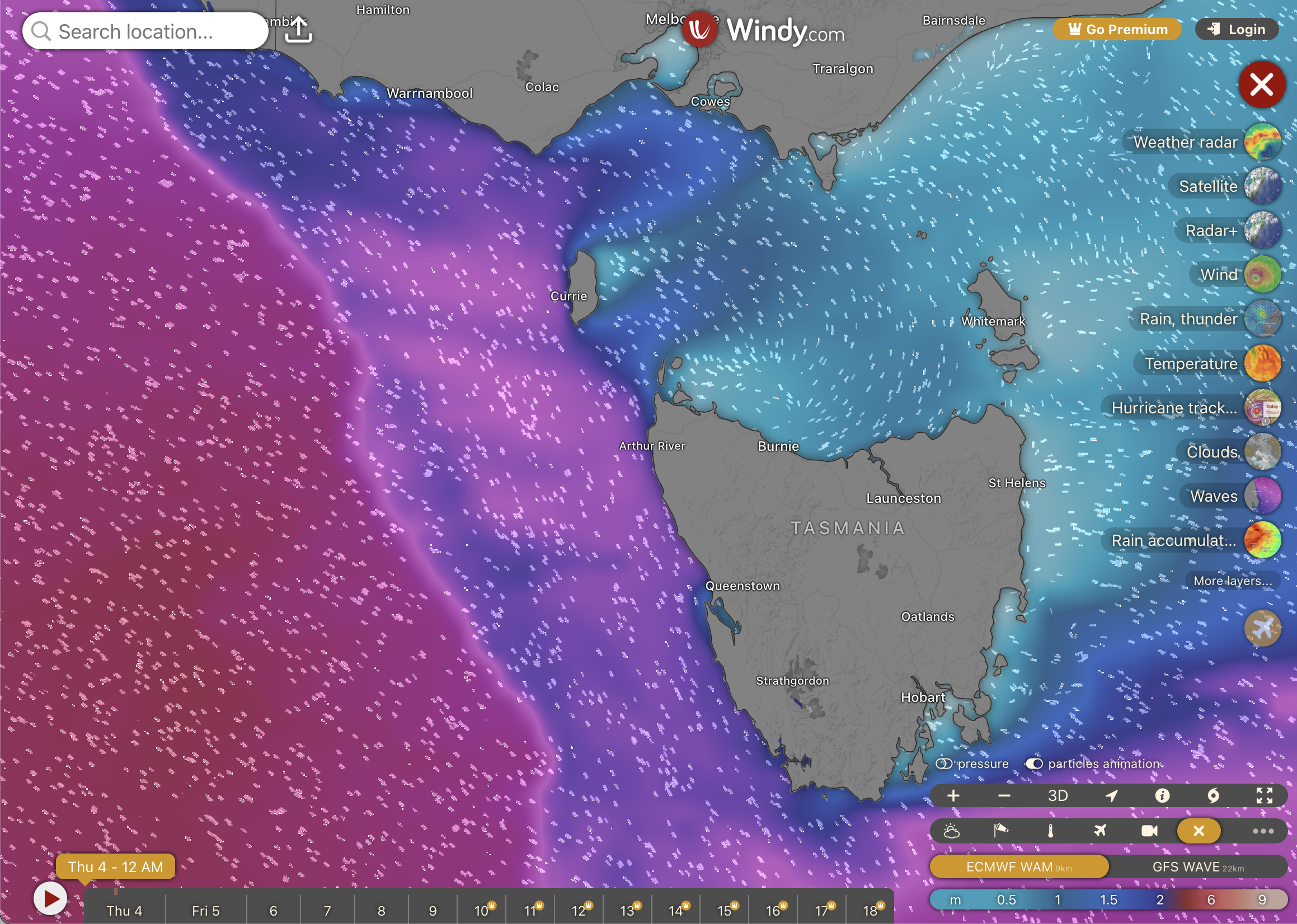
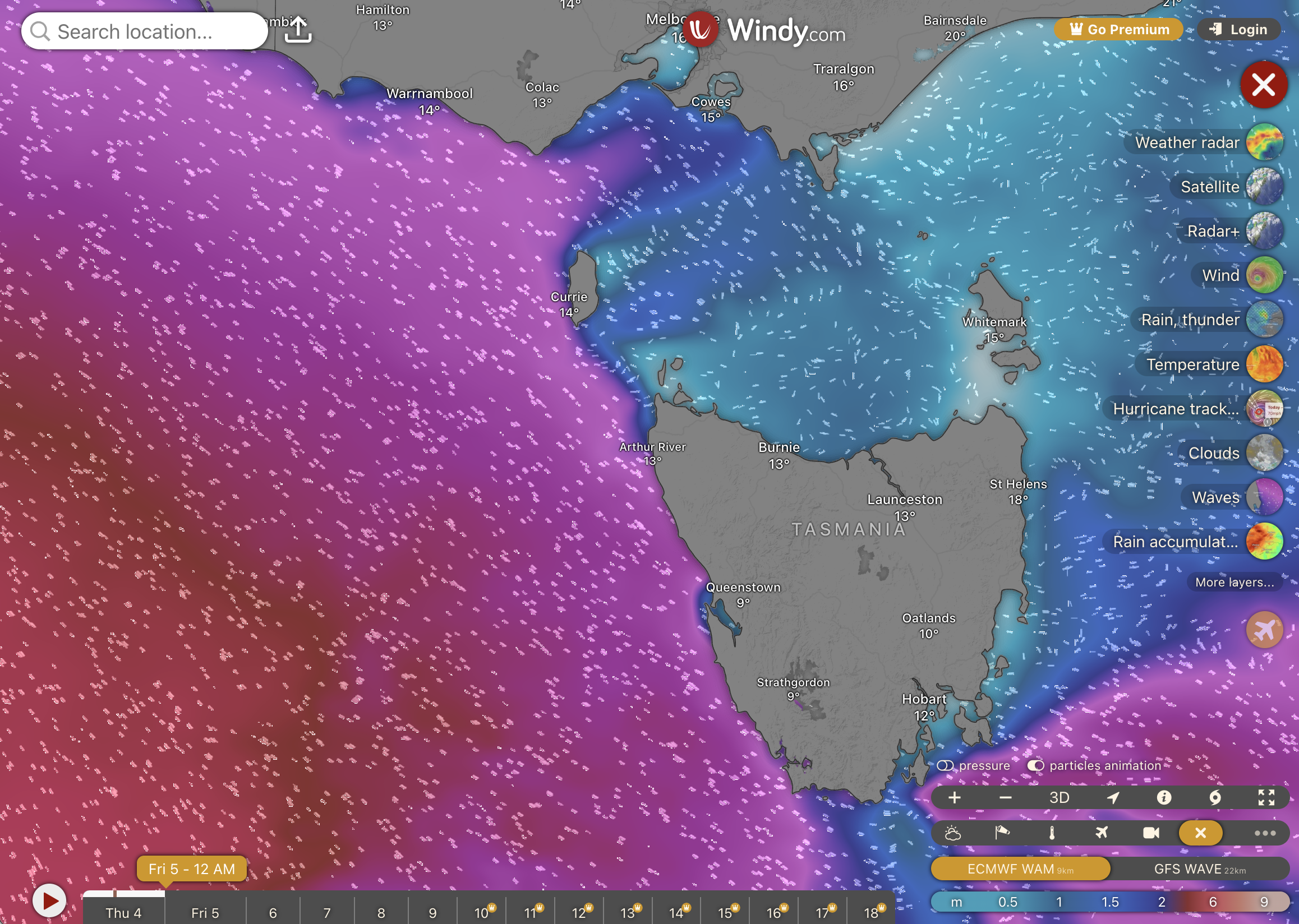
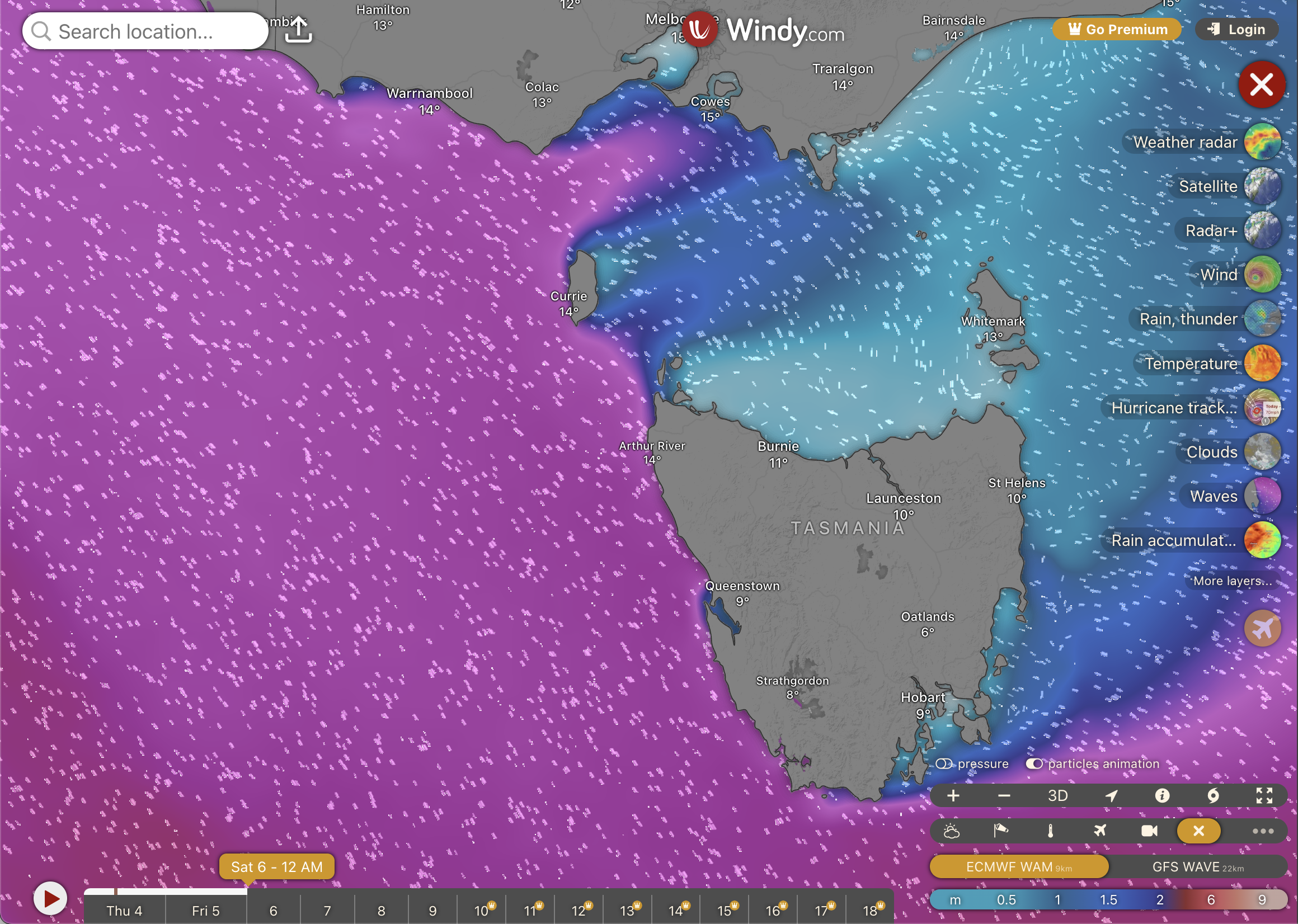
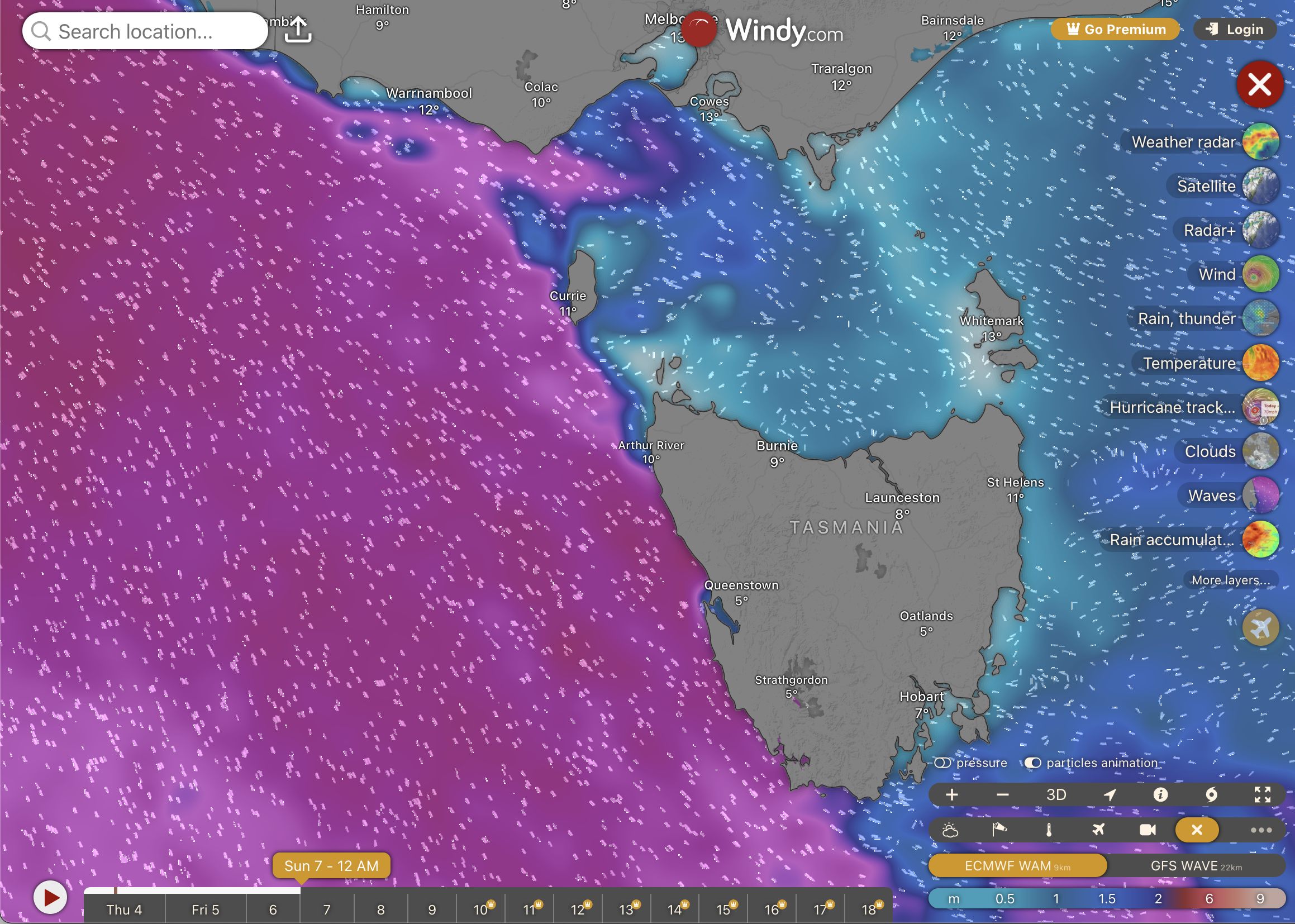
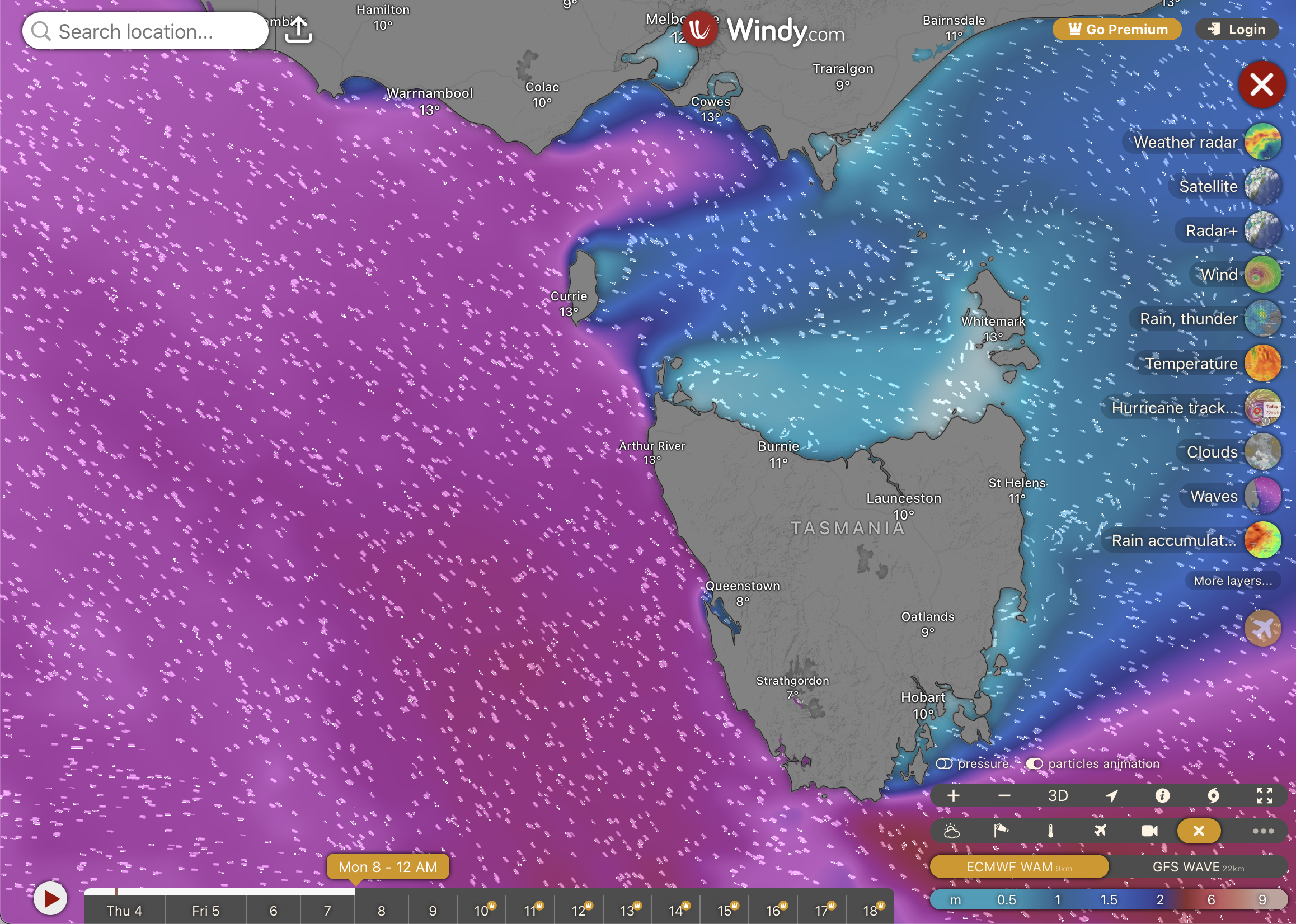
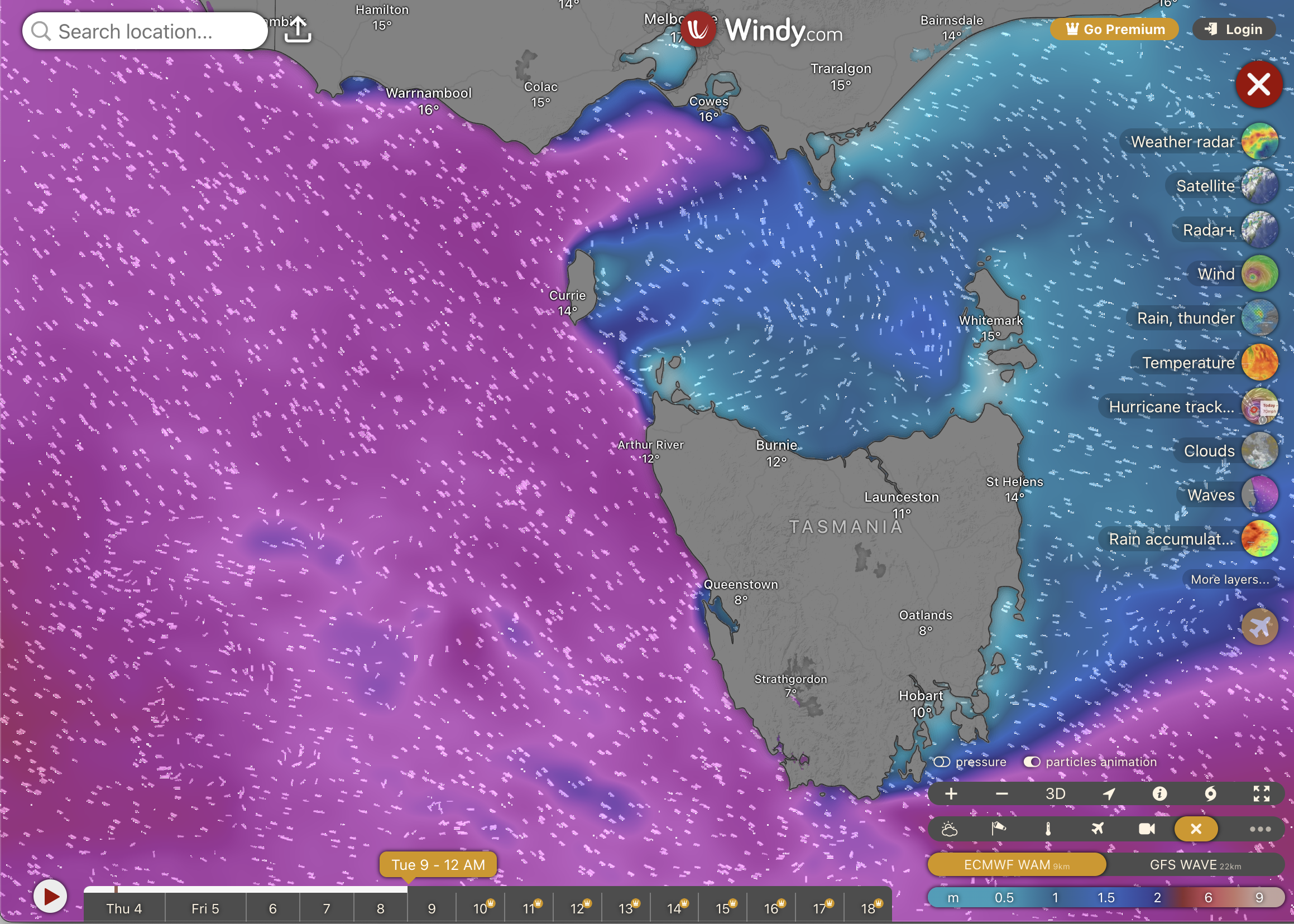
Summary of Section 1 of the plan: We have a rough forecast of how far we can travel safely given the time allocated for the trip. We know we have over two days lazing, swimming, fishing and diving, for every day we spend underway. Thats a nice ratio. We also know where we need to find shelter, and that in a 30 day window we are likely to see one ‘blow’ from either the East or the West.